
Choosing the Right Paint for Your Interior Walls

Selecting the perfect paint for your interior walls can transform your living space. The right paint not only enhances the aesthetic appeal but also protects your walls and creates the desired atmosphere. With so many options available, it can be overwhelming to decide which paint suits your needs best. This guide will help you understand the different types of interior paint, their finishes, and how to choose the best one for your home.
Understanding Interior Paint and Its Importance
When it comes to painting your home, the choice of interior paint is crucial. Paint does more than just add colour; it affects the room's mood, lighting, and even the perception of space. For example, lighter colours can make a small room feel larger, while darker shades add warmth and coziness.
Paint also serves a protective function. It shields walls from moisture, stains, and everyday wear and tear. Choosing the right paint can save you money in the long run by reducing the need for frequent touch-ups or repainting.
Types of Interior Paint Finishes
Paint finishes determine the look and durability of your walls. Here are the most common finishes:
Matte (Flat): Non-reflective and smooth, ideal for hiding imperfections. Best for low-traffic areas like bedrooms.
Eggshell: Slightly more lustrous than matte, offering a soft sheen. Suitable for living rooms and dining areas.
Satin: Has a smooth, velvety finish with a bit of shine. Durable and easy to clean, perfect for kitchens and bathrooms.
Semi-gloss: Reflective and tough, great for trim, doors, and high-moisture areas.
Gloss: Very shiny and durable, often used for furniture and accents.
Choosing the right finish depends on the room’s function and the look you want to achieve.

Choosing the Right Interior Paint for Your Home
Selecting paint involves more than just picking a colour. Consider the following factors to make an informed decision:
Room Function and Traffic
High-traffic areas like hallways and kitchens require durable paint that can withstand cleaning. Satin or semi-gloss finishes are ideal here. For bedrooms or ceilings, matte or eggshell finishes work well because they hide imperfections and provide a soft look.
Lighting Conditions
Natural and artificial light affect how paint colours appear. Test paint samples on your walls and observe them at different times of the day. North-facing rooms tend to have cooler light, so warmer paint tones can balance the space.
Surface Type and Condition
New drywall, plaster, or previously painted walls may require different primers or paint types. Some paints are formulated to cover stains or seal porous surfaces better than others.
Environmental and Health Considerations
Opt for low-VOC (volatile organic compounds) or zero-VOC paints to reduce indoor air pollution. These paints are safer for your family and the environment.
Budget
While premium paints may cost more upfront, they often provide better coverage and durability, saving money over time.
Which type of paint is best for interior walls?
When deciding on the best paint for interior walls, it’s essential to balance aesthetics, durability, and ease of maintenance. Here are some popular options:
Emulsion Paint
Emulsion paint is water-based and widely used for interior walls and ceilings. It dries quickly, has low odour, and is easy to clean. It comes in various finishes, from matte to silk.
Acrylic Paint
Acrylic paints are durable and resistant to moisture, making them suitable for kitchens and bathrooms. They also offer excellent colour retention.
Oil-Based Paint
Oil-based paints provide a smooth, hard finish and are highly durable. However, they take longer to dry and have a stronger smell. They are often used for trim and woodwork rather than walls.
Specialist Paints
There are also specialist paints like washable paints, anti-mould paints, and textured paints designed for specific needs.
For a comprehensive overview of interior wall paint types, including their pros and cons, visit the linked resource.
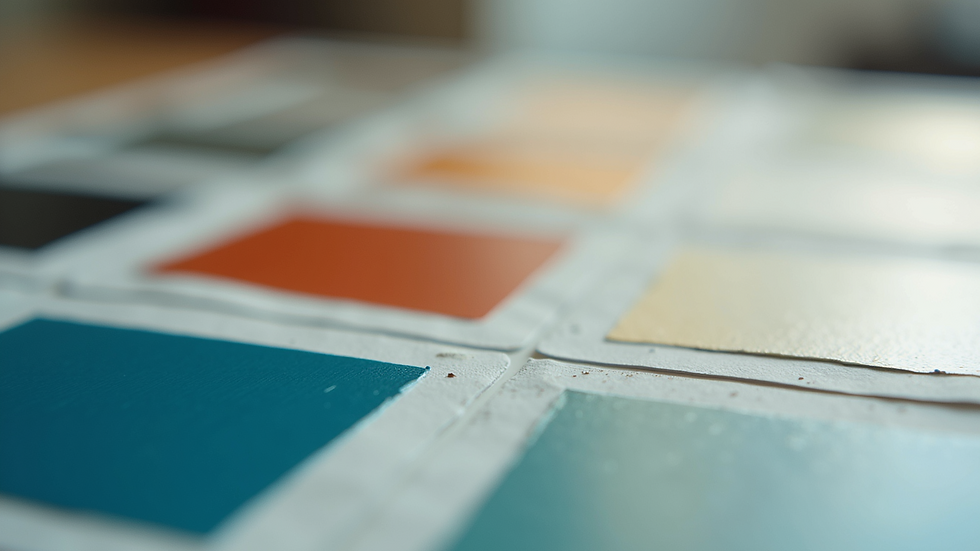
Tips for Preparing Walls Before Painting
Proper preparation ensures a smooth finish and long-lasting results. Follow these steps:
Clean the Walls: Remove dust, grease, and stains using a mild detergent solution.
Repair Imperfections: Fill holes and cracks with filler, then sand smooth.
Prime the Surface: Use a suitable primer to improve paint adhesion and coverage.
Protect Surroundings: Cover floors and furniture with drop cloths and use painter’s tape on edges.
Taking time to prepare your walls properly will make the painting process easier and the final look more professional.
Practical Advice for Painting Interior Walls
Here are some actionable recommendations to get the best results:
Use Quality Brushes and Rollers: Good tools help apply paint evenly and reduce streaks.
Apply Multiple Thin Coats: Instead of one thick coat, apply two or three thin coats for better coverage.
Maintain a Wet Edge: Work in small sections and overlap slightly to avoid lap marks.
Ventilate the Room: Keep windows open to speed up drying and reduce fumes.
Allow Adequate Drying Time: Follow the manufacturer’s instructions for drying between coats.

Enhancing Your Space with Colour Choices
Colour influences mood and style. Here are some tips for choosing colours:
Neutral Colours: Whites, greys, and beiges create a versatile backdrop and make spaces feel open.
Bold Colours: Use vibrant hues like navy, emerald, or terracotta for accent walls or smaller rooms.
Pastels: Soft blues, pinks, and greens add calmness and are perfect for bedrooms or nurseries.
Colour Combinations: Coordinate wall colours with furniture and décor for a cohesive look.
Test paint samples on your walls before committing to a colour to see how it interacts with your lighting and furnishings.
Final Thoughts on Selecting Interior Paint
Choosing the right interior paint involves understanding your space, the paint’s properties, and your personal style. By considering the room’s function, lighting, and surface condition, you can select a paint that looks great and lasts long. Remember to prepare your walls properly and use quality tools for the best finish.
For more detailed information on interior wall paint types, explore trusted resources to guide your decision.
With the right paint, your interior walls will not only look stunning but also stand the test of time, making your home a more beautiful and comfortable place to live.

$50
Product Title
Product Details goes here with the simple product description and more information can be seen by clicking the see more button. Product Details goes here with the simple product description and more information can be seen by clicking the see more button

$50
Product Title
Product Details goes here with the simple product description and more information can be seen by clicking the see more button. Product Details goes here with the simple product description and more information can be seen by clicking the see more button.
$50
Product Title
Product Details goes here with the simple product description and more information can be seen by clicking the see more button. Product Details goes here with the simple product description and more information can be seen by clicking the see more button.


Comments